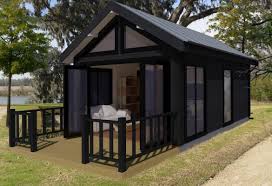

An Attefall house represents a smart investment in property utility, typically capped at a specific square meterage. While the interior footprint is fixed by regulation, the exterior potential remains a significant area for development. Expanding living areas outwards not only improves the quality of life for occupants but can Attefall house (Attefallshus) statistically increase the overall property value.
Below are the most frequently asked questions regarding the professional development of outdoor areas for these unique structures.
Why is integrating a deck or patio critical for an Attefall house?
Given the compact nature of an Attefall house, extending the usable floor plan visually and physically is essential. Real estate data consistently suggests that functional outdoor living spaces, such as wooden decks or stone patios, yield a high return on investment. By installing a seamless threshold between the indoor living area and an outdoor deck, you effectively double the perceived space for entertaining or relaxation during warmer months. This creates a fluid transition that makes the 30-square-meter limit feel significantly larger.
What are the regulatory considerations for adding outdoor structures?
Compliance is paramount in any construction project. While an Attefall house is often exempt from standard building permits, they still require a start notice. Similarly, outdoor additions like decks may have specific height and distance regulations depending on your municipality. Generally, a low-profile deck often does not require a permit, but if you plan to add walls, roofs, or significant elevation, you must consult local regulations to avoid penalties. Professional verification of plot boundaries is recommended before construction begins to ensure no encroachments occur.
How can I maintain privacy without sacrificing light?
Strategic landscaping is the most professional approach to privacy in smaller plots. Rather than installing heavy fences that may require permits or block sunlight, consider vertical gardens or high-hedging plants. Data on urban planning indicates that “green screens” improve mental well-being while acting as sound buffers. Trellises with climbing plants offer a distinct boundary that defines the outdoor zone of the Attefall house without making the compact space feel enclosed or claustrophobic.
What materials offer the best longevity for the exterior?
Durability is a key metric for long-term property maintenance, especially in variable climates. Pressure-treated pine remains a statistically popular choice due to cost-effectiveness, but composite decking is gaining market share for its low maintenance requirements and resistance to rot and fading. When selecting materials, ensure they complement the architectural style of the main residence. A cohesive design language across the entire property suggests high-end planning and increases curb appeal.
Conclusion
Developing the area surrounding your auxiliary structure is a strategic move. By carefully planning decking, landscaping, and privacy measures, you transform a simple Attefall house into a comprehensive living solution. Always prioritize durable materials and regulatory compliance to ensure your investment stands the test of time and adds genuine value to your estate.