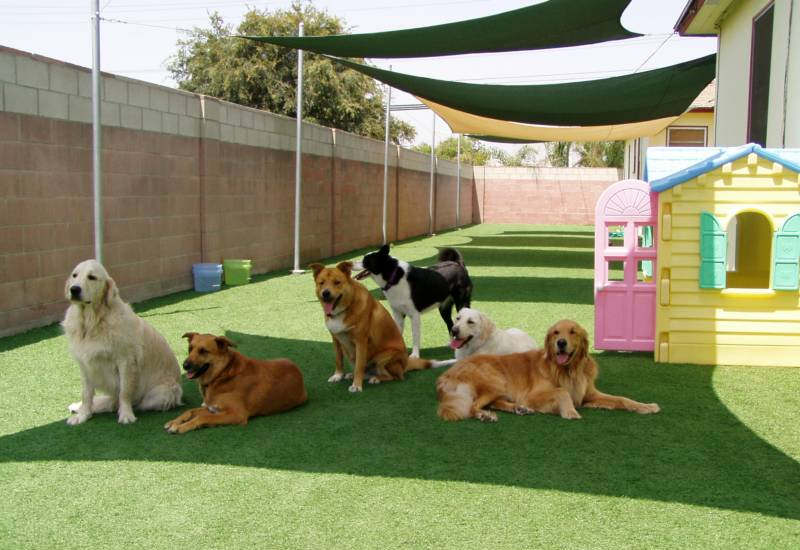

Modern pet owners increasingly seek dog boarding solutions that prioritize emotional well-being alongside physical care. As pet humanization continues to rise globally, boarding facilities are evolving to create environments that actively support canine happiness rather than simply providing temporary housing.
Why Is Canine Happiness a Key Focus in Dog Boarding?
Recent pet care statistics indicate that dogs experience lower stress levels when boarding environments closely resemble home routines. Facilities designed around canine happiness focus on consistency, enrichment, and positive human interaction. Dogs that feel safe and engaged are more likely to maintain healthy eating habits, stable sleep patterns, and balanced behavior during their stay.
What Features Promote Emotional Comfort During Boarding?
Happiness-centered dog boarding typically incorporates structured daily routines, familiar textures, and controlled social interactions. Research-backed observations show that dogs benefit from designated rest zones, predictable feeding times, and supervised playgroups matched by size and temperament. These elements reduce anxiety and support emotional regulation, especially during extended stays.
How Does Enrichment Impact a Dog’s Boarding Experience?
Enrichment is a measurable factor in canine well-being. Studies in animal behavior highlight that dogs provided with mental stimulation—such as puzzle toys, scent games, and interactive play—display fewer stress-related behaviors. Boarding facilities that integrate enrichment programs help prevent boredom and encourage natural instincts, contributing to overall happiness and calmness.
Are Social Interactions Important for Boarding Dogs?
Socialization plays a vital role, but it must be carefully managed. Data from canine behavioral assessments shows that structured group play can improve mood and confidence when dogs are paired appropriately. Professional boarding environments emphasize supervised interaction, allowing dogs to engage positively without overstimulation or conflict.
How Does Staff Training Influence Canine Happiness?
Well-trained staff are a critical component of happiness-focused dog boarding. Statistics from pet care organizations indicate that facilities with certified caregivers report fewer behavioral incidents and higher owner satisfaction. Knowledgeable staff can recognize subtle stress signals, adjust care routines, and provide individualized attention, ensuring dogs feel understood and secure.
What Role Does Environment Design Play?
Physical space directly affects emotional well-being. Boarding centers designed with natural lighting, proper ventilation, and noise-reduction strategies help minimize stress. Evidence suggests that calm, clean, and well-organized environments support better rest cycles and reduce anxiety-related behaviors in dogs.
How Do Owners Benefit from Happiness-Focused Boarding?
Owner confidence is strongly linked to the perceived happiness of their pets. Surveys show that pet parents are more likely to rebook boarding services when they observe positive behavioral outcomes after pickup. Dogs that return home relaxed and well-adjusted reinforce trust in professional boarding care.
Why Is Happiness-Based Boarding a Growing Trend?
The global pet care market continues to grow, with increasing emphasis on quality-of-life services. Dog boarding designed around happiness reflects a broader shift toward evidence-based, welfare-focused care. As awareness grows, facilities that prioritize emotional health alongside safety and hygiene are setting new standards in the industry.
Final Insight
Dog boarding designed to support canine happiness is no longer a luxury—it is becoming an expectation. By combining structured routines, enrichment, professional care, and thoughtful environment design, modern boarding services are transforming temporary stays into positive experiences that benefit both dogs and their owners.